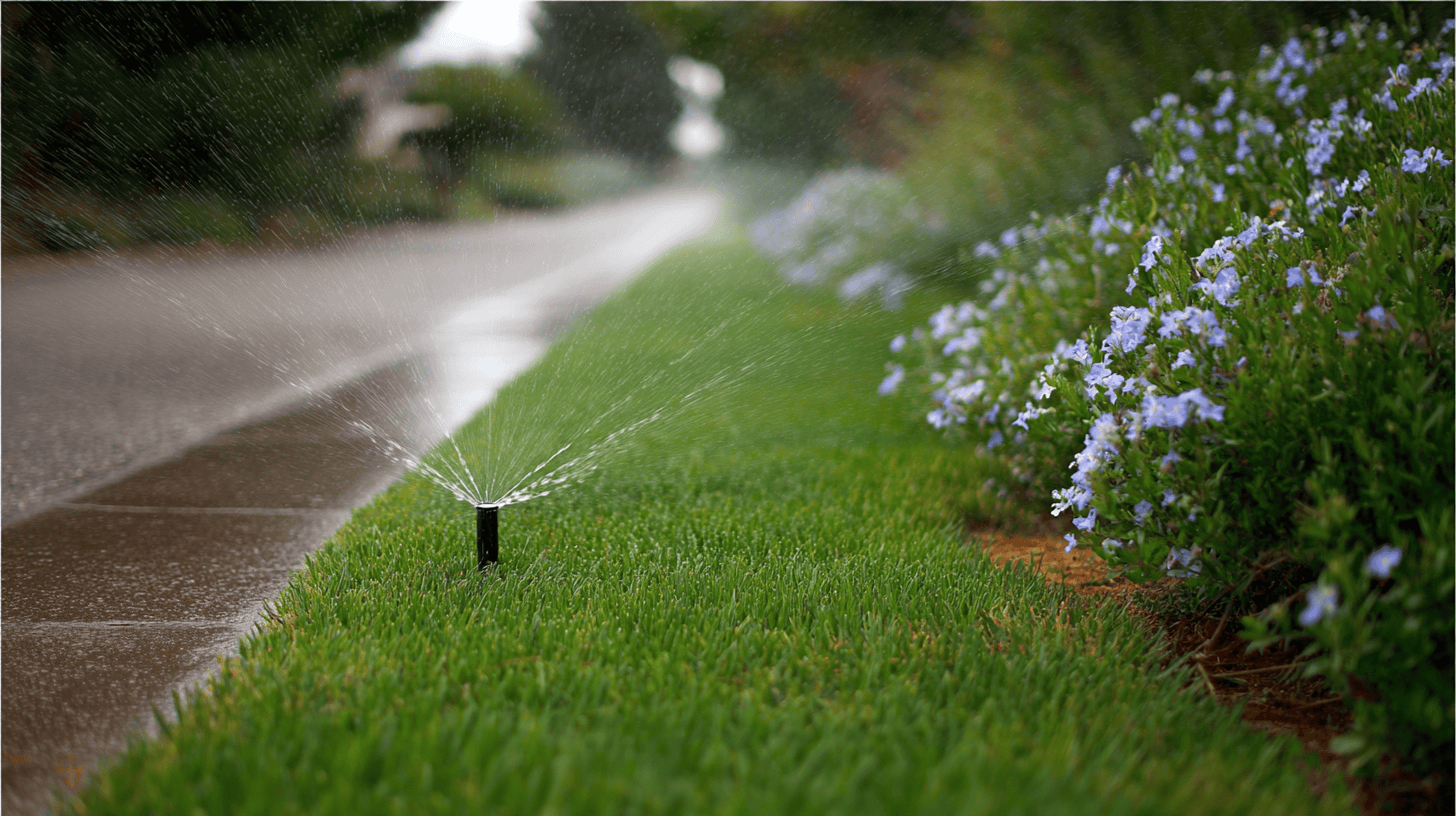
How to Prepare Your Lawn Irrigation System for Spring After Winterization
After a long winter, your irrigation system needs proper attention before it’s turned back on. In Northern Virginia, freezing temperatures, shifting soil, and winter moisture can all impact pipes, valves, and sprinkler heads. A careful spring start-up helps prevent leaks, water waste, and costly mid-season repairs.
After a long winter, your irrigation system needs proper attention before it’s turned back on. In Northern Virginia, freezing temperatures, shifting soil, and winter moisture can all impact pipes, valves, and sprinkler heads. A careful spring start-up helps prevent leaks, water waste, and costly mid-season repairs.
Here’s what homeowners in Vienna, Fairfax, Loudoun, and surrounding areas should know about preparing their sprinkler system for spring after winterization.
1. Inspect the System Before Turning On the Water
Before opening the main valve, do a visual inspection of your system:
- Look for cracked or shifted sprinkler heads
- Check exposed piping and backflow assemblies for visible damage
- Make sure valve boxes are dry and free of debris
- Inspect controller wiring and sensors
A backflow assembly (or backflow preventer) is a safety device installed on your irrigation system that keeps dirty irrigation water from flowing back into your home’s drinking water. It acts like a one-way valve, protecting the public water supply from contamination caused by fertilizer, soil, or bacteria in the sprinkler lines.
Winter ground movement can cause small breaks that become major leaks once pressure is restored. Catching issues early can save significant repair costs.
If you suspect winter damage, scheduling a professional irrigation system inspection is the safest first step.
2. Slowly Repressurize the Main Water Line
Never turn the water on quickly. Gradual pressurization helps prevent pipe bursts and stress on fittings.
A professional start-up includes:
- Slowly opening the main shut-off valve
- Bleeding air from the system
- Checking pressure levels zone by zone
Bleeding air from the system is when your sprinkler system is turned back on in spring, air can be trapped inside the pipes from winterization. “Bleeding air” means slowly releasing that trapped air as water fills the lines again. This prevents sudden pressure surges that can crack pipes, damage valves, or cause sprinkler heads to pop off. It’s why the system is turned on gradually instead of all at once.
This controlled process protects pipes, valves, and backflow devices from sudden pressure spikes.
3. Test the Backflow Preventer
In Virginia, backflow preventers protect the potable water supply and must function properly at start-up.
Spring service should include:
- Visual inspection of the backflow assembly
- Leak detection
- Annual testing (required in many municipalities)
4. Run Each Zone and Adjust Coverage
Once the system is pressurized, each irrigation zone should be tested:
- Confirm all sprinkler heads pop up and retract properly
- Adjust spray patterns and rotor alignment
- Replace clogged or broken nozzles
- Check for misting, pooling, or dry spots
This is also the best time to fine-tune coverage for new plant growth and landscape changes.
5. Program Your Controller for Spring Watering
Spring watering schedules differ from summer schedules. Overwatering early in the season can lead to root disease and wasted water.
A proper spring setup includes:
- Updating run times for cooler temperatures
- Activating rain or soil moisture sensors
- Programming smart controllers for weather-based adjustments
If your system uses smart technology, our Smart Irrigation Services ensure it’s calibrated correctly for Northern Virginia’s spring weather patterns.
6. Check Drip Lines and Garden Bed Irrigation
Drip irrigation lines in planting beds are especially vulnerable to winter damage. Spring inspection should include:
- Flushing drip lines
- Checking emitters for blockages
- Ensuring proper pressure regulation
This helps protect shrubs, perennials, and seasonal plantings as they begin active growth.
7. Consider a Professional Spring Start-Up Service
A professional spring irrigation start-up typically includes:
- Full system inspection
- Gradual pressurization
- Backflow testing
- Zone-by-zone operation checks
- Controller programming
- Minor adjustments and recommendations
For homeowners in Vienna and throughout Northern Virginia, this ensures the system is safe, efficient, and ready for the growing season.
You can also explore our full Irrigation Maintenance & Repair Services for ongoing system care throughout the year.
Why Proper Spring Start-Up Matters
A correctly prepared system:
- Prevents hidden leaks that waste water and raise utility bills
- Protects landscaping from under- or over-watering
- Extends the life of pipes, valves, and controllers
- Ensures compliance with local backflow regulations
- Reduces the risk of emergency repairs during peak summer demand
Schedule Your Spring Irrigation Start-Up in Vienna, VA
At Affordable Sprinklers, Lighting & Turf, we provide professional spring irrigation start-ups for homeowners throughout Vienna, Fairfax, Loudoun, and surrounding Northern Virginia communities. Our team ensures your system is operating safely, efficiently, and ready for a healthy growing season.
📞 Call us today at (703) 289-1155 for a free estimate and spring system evaluation.
Let us handle the technical details so your lawn and landscape get the right amount of water from day one.
More Posts


Covering the DC Metro Area